

Definition of prime lenses
What is a Prime Lens?
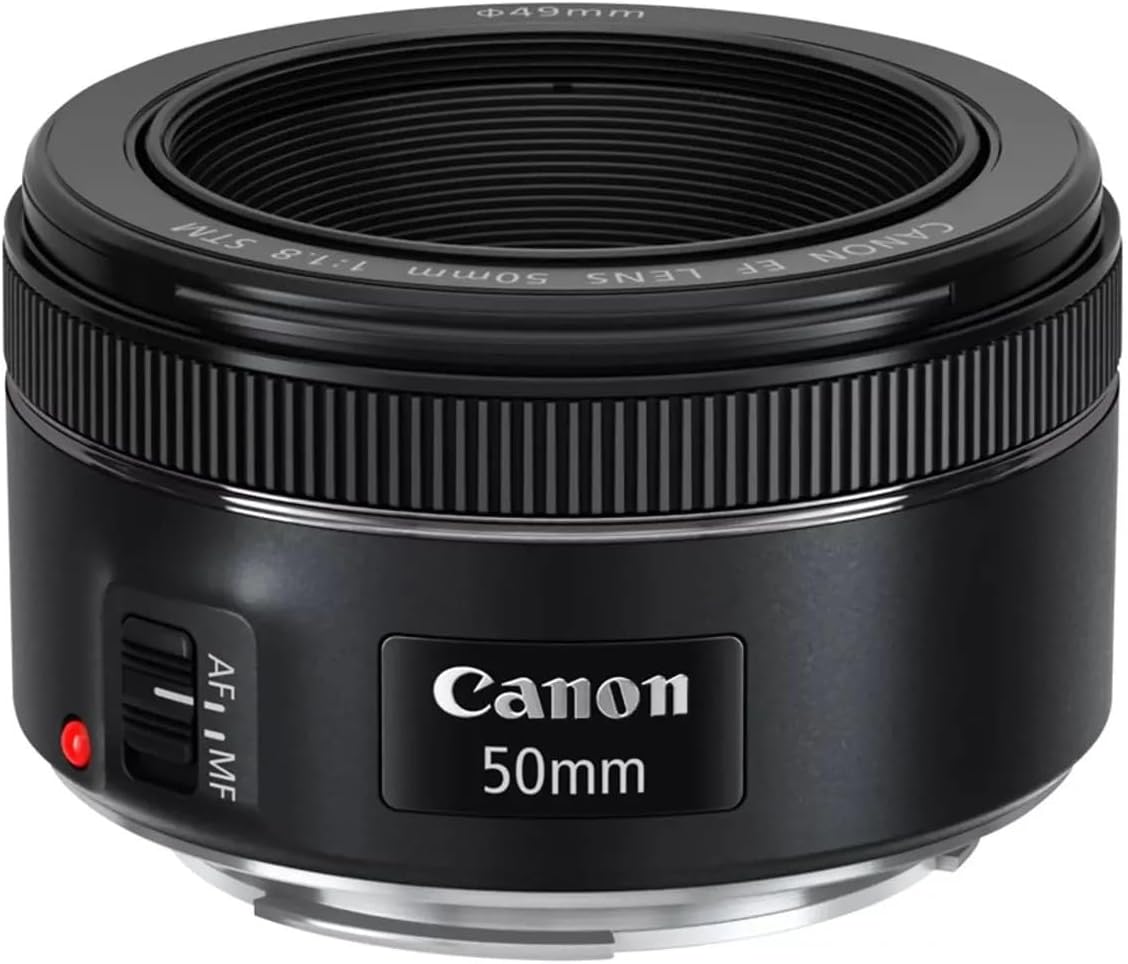
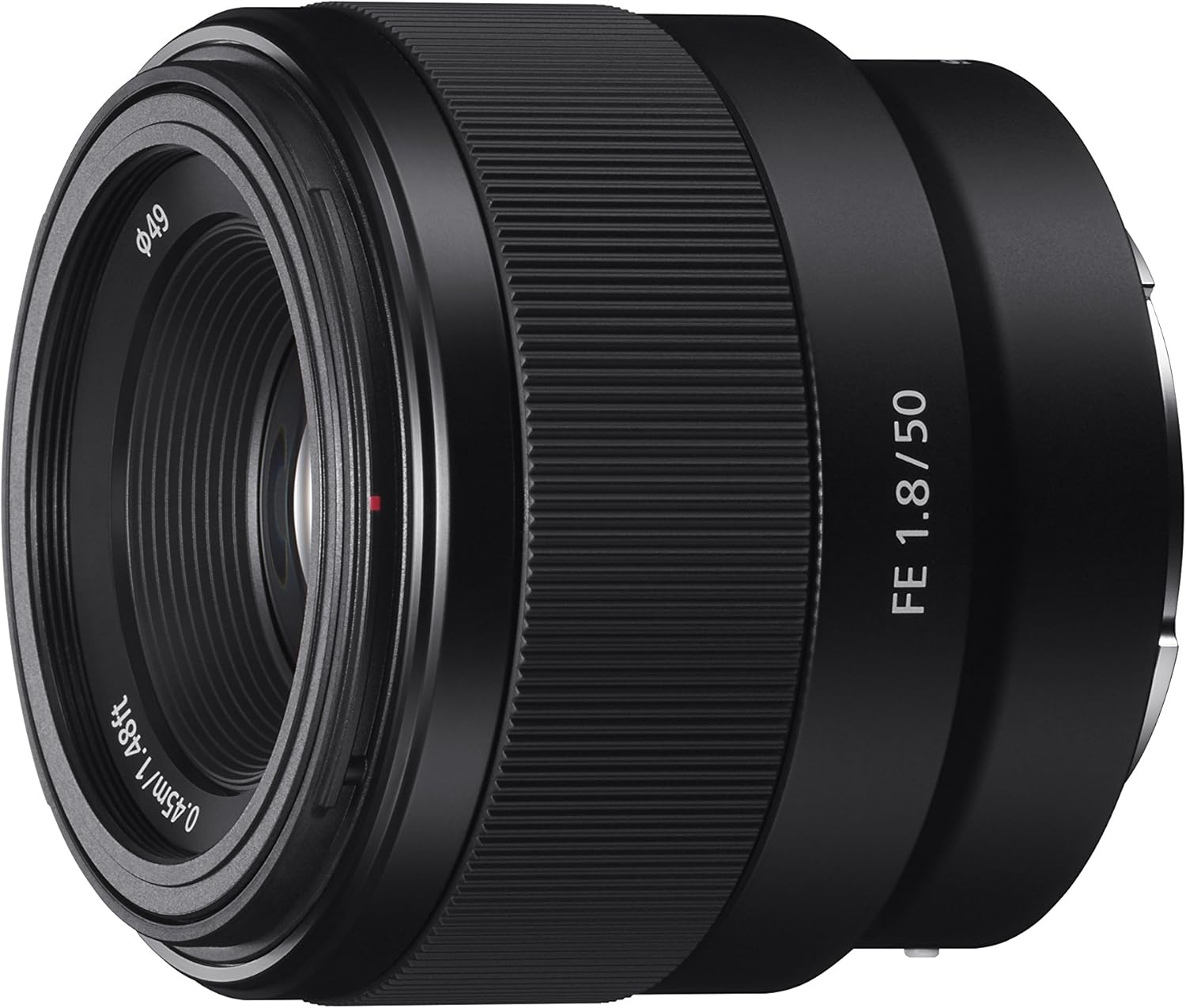
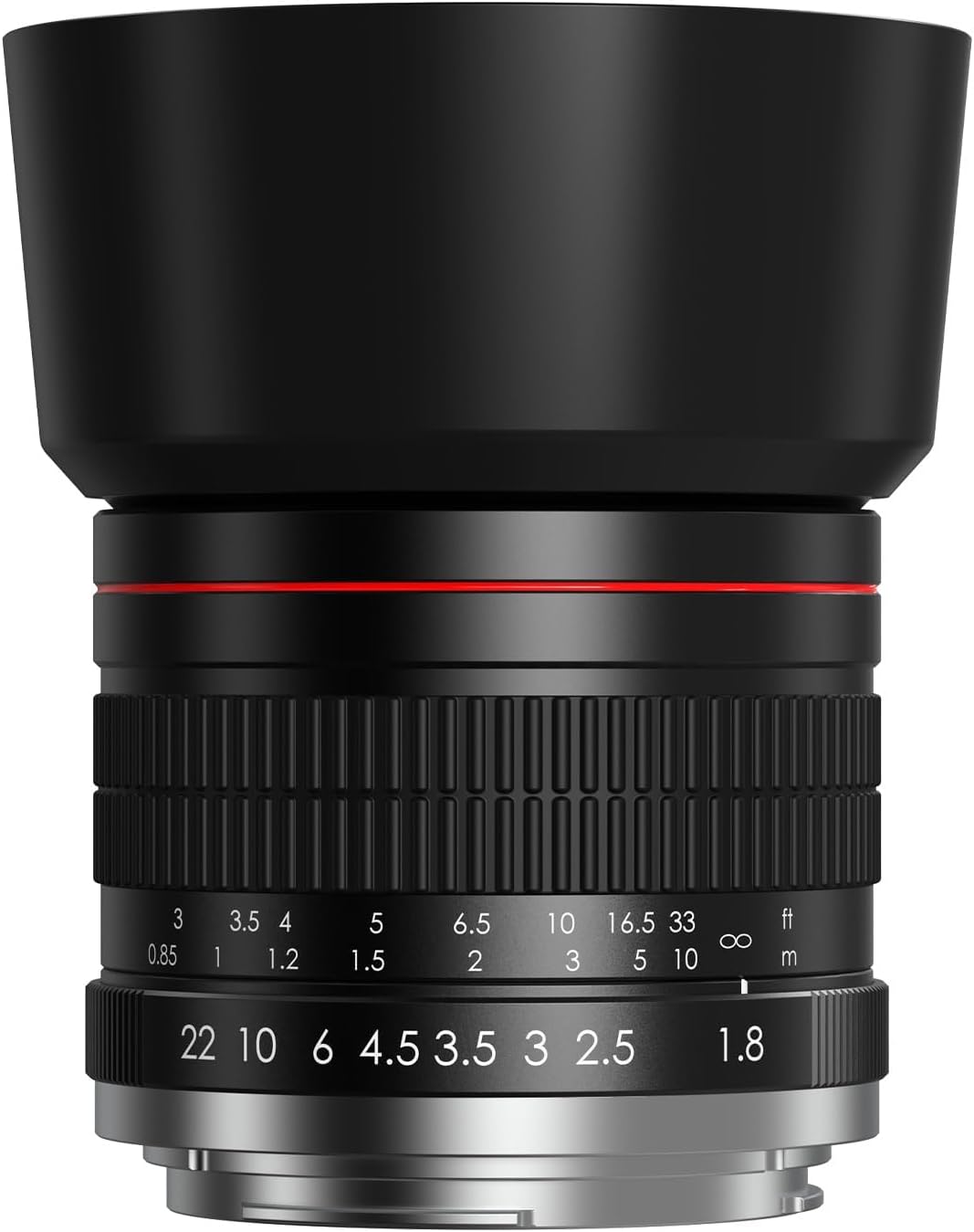
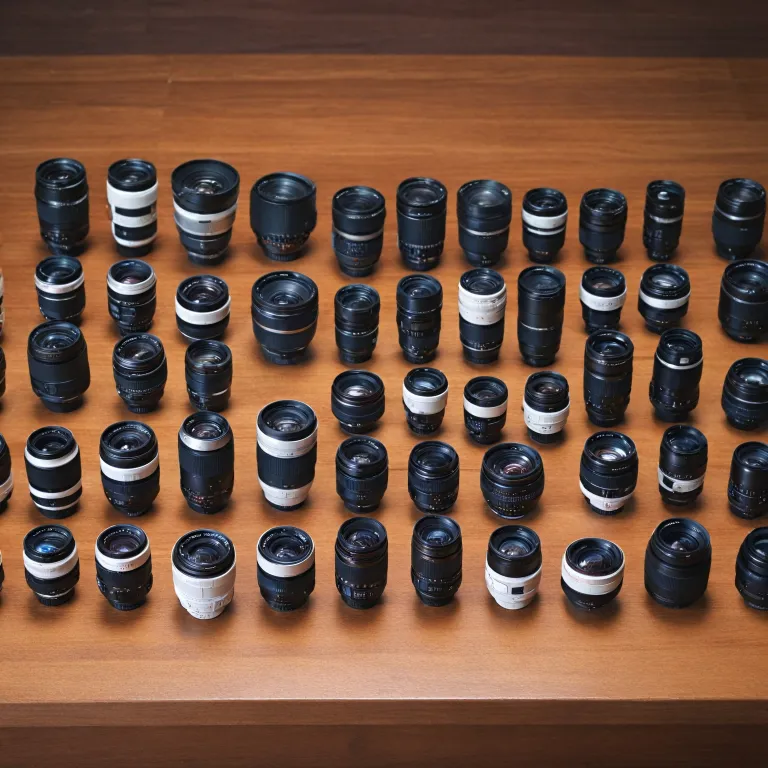
In digital photography, a prime lens is a camera lens with a fixed focal length. Unlike zoom lenses, which allow you to change the angle of view by adjusting the focal length, prime lenses offer just one focal length—such as 35mm, 50mm, or 85mm. This means you cannot zoom in or out with a prime; you need to move your camera physically closer or farther from your subject to change your composition.
How Prime Lenses Differ from Zoom Lenses
The main difference between a prime lens and a zoom lens is flexibility. Zoom lenses cover a range of focal lengths, making them versatile for various photography situations. Prime lenses, on the other hand, are designed for a specific angle of view and focal length. This design choice often results in a simpler optical construction, which can lead to advantages in image quality, sharpness, and maximum aperture.
- Prime lenses have a single, fixed focal length (e.g., 50mm, 85mm).
- Zoom lenses cover a range of focal lengths (e.g., 24-70mm, 70-200mm).
- Prime lenses are often lighter and more compact than zoom lenses.
Why Photographers Choose Prime Lenses
Many photographers are drawn to prime lenses for their ability to deliver sharp images, wide apertures, and beautiful background blur (bokeh). The fixed focal length encourages creativity and can help you develop a stronger sense of composition. If you are interested in learning more about a standout example, check out this in-depth look at the TTArtisan 35mm f/1.4 lens, which highlights what makes a prime lens special for digital cameras.
In the next sections, we will explore the unique characteristics of prime lenses, their advantages and limitations, and how to choose the right focal length for your photography needs.
Key characteristics of prime lenses
What Sets Prime Lenses Apart in Photography
Prime lenses, sometimes called fixed focal lenses, are unique because they offer a single focal length. Unlike zoom lenses, which allow you to change the angle of view by zooming in or out, a prime lens stays at one set focal length. This design choice brings several distinct characteristics that photographers notice right away.
- Wide Maximum Aperture: Most prime lenses feature a wide aperture, such as f/1.8 or even wider. This allows more light to reach the camera sensor, which is especially helpful in low light conditions. A wide aperture also enables a shallow depth of field, making it easier to blur the background and achieve that sought-after bokeh effect.
- Superior Image Quality: With fewer moving parts and lens elements compared to zoom lenses, primes often deliver sharper images with less distortion and fewer optical flaws. This clarity is noticeable in both wide angle and telephoto prime lenses.
- Compact and Lightweight: Because they don’t need the complex mechanics of a zoom lens, prime lenses are typically smaller and lighter. This makes them easier to carry, especially for street photography or travel.
- Consistent Performance: Since the focal length is fixed, the lens is optimized for that specific angle of view. This means you get consistent performance across the frame, whether you’re shooting with a wide angle lens or a telephoto prime.
- Creative Control: Using a prime lens encourages photographers to move around and think more about composition. You can’t rely on zooming, so you become more aware of your position, the angle of view, and the relationship between subject and background.
Prime lenses come in a range of focal lengths, from wide angle to telephoto, and even macro options for close-up photography. Each lens focal length offers a different perspective and is suited for specific types of photography. For example, a 35mm prime is popular for street photography, while an 85mm lens is often chosen for portraits due to its flattering compression and background blur.
For a deeper dive into how a specific prime lens performs, you might find this guide on the Sigma 18-50mm f/2.8 lens helpful. While the Sigma is a zoom, it’s a good reference for comparing the characteristics of zoom and prime lenses in real-world photography.
Understanding these key features will help you decide what prime lens fits your needs and shooting style, whether you’re looking for a wide angle lens for landscapes or a telephoto for distant subjects.
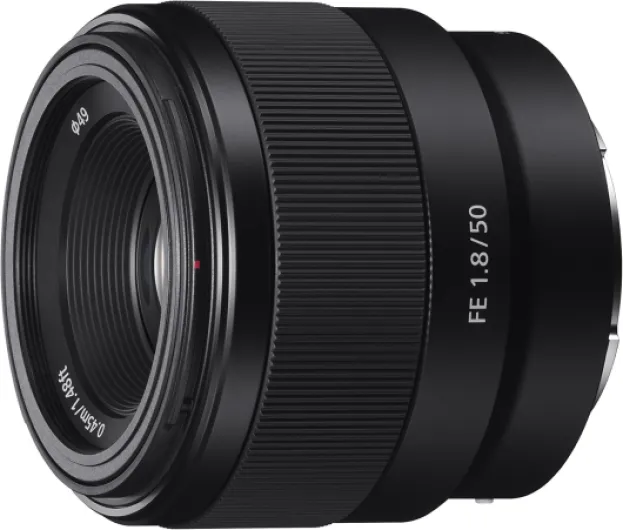
- + Compact and lightweight
- + Fast aperture for low light
- + Sharp images with good detail
- + Good for portraits

Advantages of using prime lenses with digital cameras
Why Prime Lenses Stand Out in Digital Photography
When comparing prime lenses to zoom lenses, one of the most noticeable advantages is image quality. Because a prime lens has a fixed focal length, its optical design is simpler and more optimized for sharpness, contrast, and minimal distortion. This means you often get crisper images and better color rendition, whether you’re shooting with a wide angle or a telephoto prime.
- Wider Apertures: Most prime lenses offer larger maximum apertures (like f/1.8 or f/1.4) compared to zoom lenses. This lets in more light, making them excellent for low light photography. You can shoot at faster shutter speeds and lower ISO, which helps maintain image quality.
- Beautiful Background Blur: Thanks to their wide apertures, primes create a shallow depth of field. This results in smooth, creamy bokeh that separates your subject from the background, ideal for portraits or macro shots.
- Lightweight and Compact: Without the extra mechanics needed for zoom, prime lenses are often lighter and smaller. This makes them easier to carry, especially for street or travel photography.
- Encourages Creative Composition: Using a fixed focal length means you move your feet to frame your shot. This can help you think more about angle, perspective, and what you want in your image.
- Reliable Performance: Fewer moving parts mean primes are generally more robust and less prone to mechanical issues than zoom lenses.
Whether you’re using a classic Nikkor, a modern lens prime, or exploring telephoto lenses for wildlife, the benefits of a prime lens are clear. They excel in situations where light is limited, or when you want maximum control over depth field and background separation. For those interested in flash photography, pairing a fast prime with a reliable flash system can further expand your creative options. If you want to learn more about enhancing your low light shots, check out this guide to using the Godox V100 Sony flash.
| Prime Lens Feature | Benefit for Digital Cameras |
|---|---|
| Wide Aperture (e.g., f/1.4) | Better low light performance, more background blur |
| Fixed Focal Length | Sharper images, less distortion |
| Compact Size | Easy to carry, discreet for street photography |
| Simple Optical Design | Consistent image quality across the frame |
In summary, prime lenses offer a unique combination of optical quality, creative control, and portability that makes them a favorite among many digital camera users. Whether you’re shooting wide angle landscapes or telephoto portraits, understanding what prime lenses bring to your photography can help you get the most out of your camera system.
Potential limitations of prime lenses
Where Prime Lenses May Not Fit Every Need
While prime lenses are celebrated for their sharpness and wide apertures, they do come with some limitations that photographers should consider before investing. Understanding these aspects helps you make an informed decision about whether a prime lens suits your style of photography or if a zoom lens might be more practical for certain situations.
- Fixed Focal Length: The most obvious limitation is that a prime lens has a fixed focal length. Unlike zoom lenses, you cannot adjust the angle of view by rotating the barrel. This means you need to physically move closer or farther from your subject to change your composition. For events, travel, or fast-paced photography, this can be less convenient compared to a zoom lens.
- Less Versatility: With a zoom lens, you can cover a range of focal lengths, from wide angle to telephoto, in one lens. A prime lens, on the other hand, is limited to one focal length, so you may need to carry multiple lenses to cover different scenarios. This can add weight and require more frequent lens changes, which is not always practical in dynamic environments.
- Potential Cost and Gear Investment: High-quality prime lenses, especially those with large maximum apertures, can be expensive. If you want to cover a range of focal lengths, investing in several primes may cost more than a single zoom lens that covers the same range.
- Learning Curve: Using a prime lens often requires a different approach to composition and movement. Beginners may find it challenging to adapt, especially when shooting in situations where changing your position is difficult or impossible.
- Specialized Use: Some types of photography, like wildlife or sports, often benefit from the flexibility of telephoto zoom lenses. While there are telephoto prime lenses, they can be bulky and expensive, and you may miss the versatility that a zoom lens provides for quickly changing focal lengths.
Despite these limitations, many photographers find that the image quality, wide aperture, and creative control over depth of field offered by a prime lens outweigh the drawbacks. Still, it’s important to consider your shooting style, the types of images you want to create, and whether the fixed focal length will fit your needs before making a purchase.
Popular prime lens focal lengths and their uses
Common Prime Lens Focal Lengths and Their Typical Uses
Prime lenses come in a variety of focal lengths, each offering a unique perspective and creative potential for digital photography. Understanding what each focal length does can help you select the right lens for your camera and shooting style. Here’s a look at some of the most popular prime lens focal lengths and how photographers use them:
- 24mm and 28mm (Wide Angle): These wide angle lenses are great for landscapes, architecture, and street photography. Their broad angle of view lets you capture more of the scene, making them ideal for tight spaces or dramatic vistas. The wide aperture options also help in low light situations.
- 35mm (Classic Street and Everyday): A 35mm prime lens offers a natural perspective that’s close to what the human eye sees. It’s a favorite for street, documentary, and travel photography. The fixed focal length encourages you to move and compose creatively, and the wide aperture allows for good background separation and bokeh.
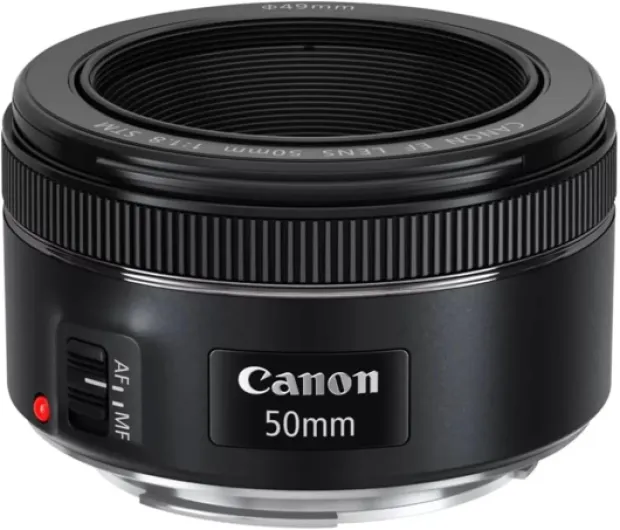
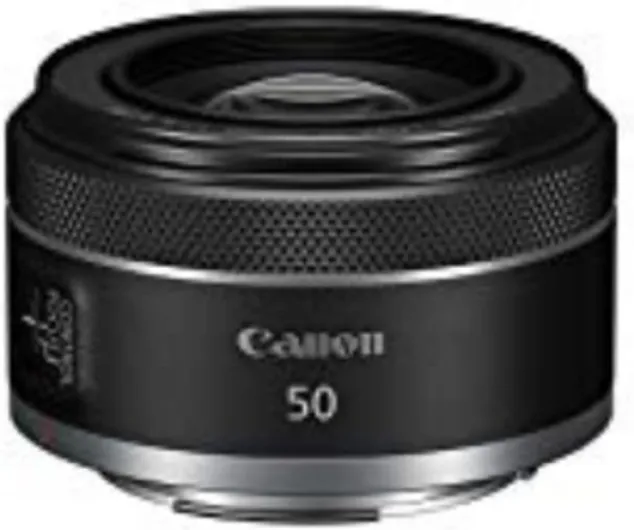
- 50mm (Standard/Normal): The 50mm lens is often called the “nifty fifty.” It’s versatile for portraits, events, and general photography. With a fast aperture, it performs well in low light and creates a pleasing depth of field. Many photographers start with a 50mm prime because of its balance between angle of view and background blur.
- 85mm (Portrait): The 85mm prime lens is a classic choice for portrait photography. Its longer focal length compresses features slightly and produces a flattering look, with beautiful bokeh and subject isolation. The wide aperture also helps in controlling depth of field and shooting in lower light.
- 100mm and 105mm (Macro and Portrait): These lenses are popular for both macro photography and portraits. Macro primes allow you to capture close-up details with sharpness and clarity, while also serving as excellent short telephoto lenses for portraits.
- 135mm and 200mm (Telephoto): Telephoto prime lenses like 135mm or 200mm are used for sports, wildlife, and distant subjects. They offer a narrow angle of view, letting you fill the frame with your subject from far away. These lenses also provide strong background blur and subject separation.
Each prime lens focal length brings its own strengths to your camera bag. The choice depends on what you shoot, the angle of view you want, and how much background blur or bokeh you need. Unlike zoom lenses, primes encourage you to think more about composition and movement, which can improve your photography skills over time. Whether you’re looking for a wide angle lens for landscapes or a telephoto lens for portraits, there’s a prime lens focal length that fits your creative vision.
Tips for choosing and using a prime lens
Consider Your Photography Style and Subjects
Before selecting a prime lens, think about what you love to photograph. If you enjoy capturing wide landscapes, a wide angle lens with a short focal length, like 24mm or 35mm, will give you a broader angle of view. For portraits, a lens with a longer focal length, such as 50mm or 85mm, helps create a pleasing background blur (bokeh) and natural perspective. Macro photography calls for a specialized macro prime lens, which allows you to get close and capture fine details.
Check Compatibility and Mount Type
Not all lenses fit every camera. Make sure the prime lens you choose matches your camera’s mount. For example, Nikkor lenses are designed for Nikon cameras, while other brands have their own mounts. Double-check compatibility before buying to avoid disappointment.
Evaluate Maximum Aperture
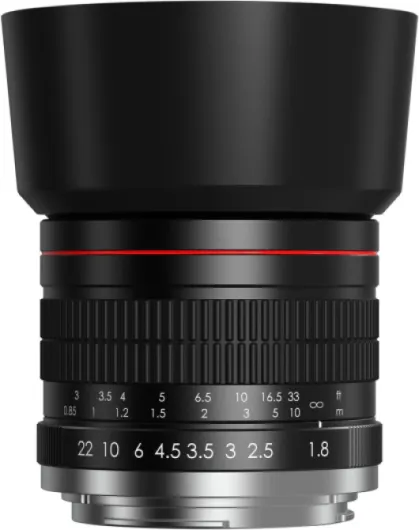
One of the main advantages of a prime lens is its wide maximum aperture. A lens with an aperture like f/1.8 or f/1.4 lets in more light, which is great for low light photography and for achieving a shallow depth of field. This helps isolate your subject and create a soft, out-of-focus background. If you often shoot indoors or in dim conditions, prioritize a lens with a larger aperture.
Think About Size and Weight
Prime lenses are usually smaller and lighter than zoom lenses. If you want a camera setup that’s easy to carry, a compact prime lens is a smart choice. This is especially helpful for travel or street photography, where portability matters.
Practice and Experiment
- Get familiar with your lens’s fixed focal length. Move around to compose your shots instead of relying on zoom.
- Try different apertures to see how they affect depth of field and image sharpness.
- Use your prime lens in various lighting conditions to learn how it handles light and shadow.
Don’t Overlook Used Lenses
Prime lenses are often built to last. Buying a used lens can be a cost-effective way to expand your kit. Just check for scratches, dust, or fungus before purchasing.
Understand Limitations
Remember, a prime lens has a fixed focal length, so you won’t have the flexibility of a zoom lens. Plan your shots and be ready to move to get the composition you want. The creative challenge can actually improve your photography skills over time.