

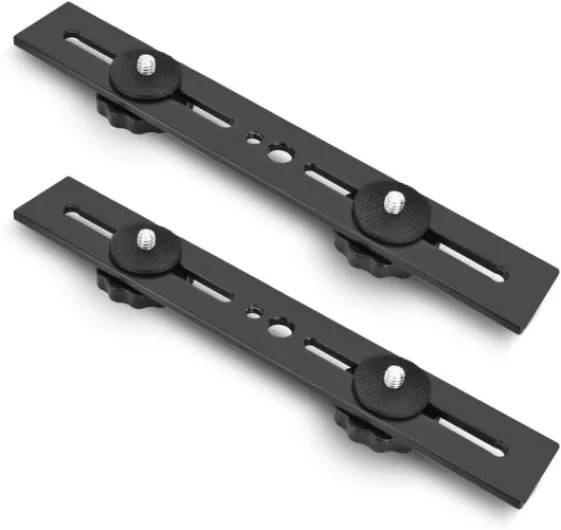
Understanding what a camera bracket is
What Makes a Camera Bracket Essential?
When you start exploring photography accessories, you’ll quickly notice that camera brackets are everywhere. But what exactly is a camera bracket, and why do so many photographers—whether using Canon, Nikon, Sony, or security cameras—consider them essential?
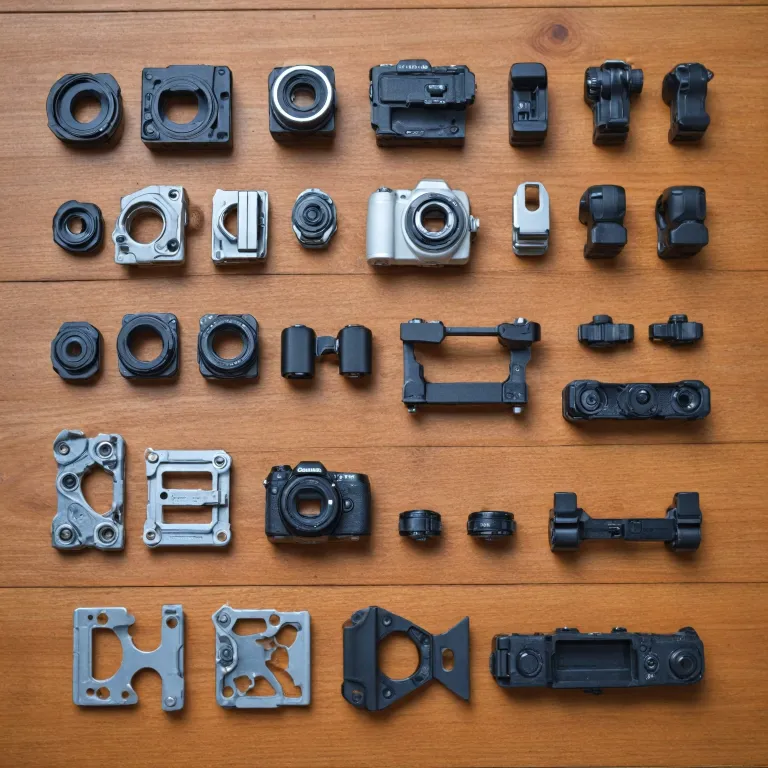
A camera bracket is a piece of hardware designed to securely mount your camera or related accessories, like flashes or monitors, onto a stable surface or support. Brackets come in various shapes and sizes, from simple wall mounts to advanced quick release systems. They are made from materials like aluminum for durability and lightness, and are often finished in colors like white to blend with security camera setups or studio environments.
- Mounting Versatility: Brackets allow you to attach your camera to tripods, poles, or walls, making them useful for both creative photography and security camera installations.
- Accessory Integration: Many brackets are designed to add accessories such as flashes, monitors, or microphones. Some use the Arca Swiss quick release system for fast changes between setups.
- Security and Stability: A good bracket ensures your camera or security camera stays firmly in place, reducing the risk of falls or damage.
- Price and Value: Brackets range in price depending on material, brand, and features. Some offer free shipping or free delivery, which can add value when adding to your cart.
Whether you’re mounting a regular camera, a security camera, or looking for a monitor mount, understanding the role of the bracket is key to getting the most from your gear. If you’re interested in how brackets interact with other camera connectors, you might find this article on understanding the role of the 4-pin XLR connector in digital cameras helpful.
As you read on, you’ll discover the different types of mounts and brackets available, the benefits they offer, and how to choose the right one for your needs—whether you’re shopping for a flash bracket, wall mount, or a quick release camera mount.

Different types of camera brackets
Exploring the Main Types of Camera Brackets
When searching for the right camera bracket, it’s important to understand the different types available. Each bracket is designed for specific photography needs, camera models, and mounting situations. Whether you use Canon, Nikon, Sony, or other cameras, the right mount can make a big difference in your setup.
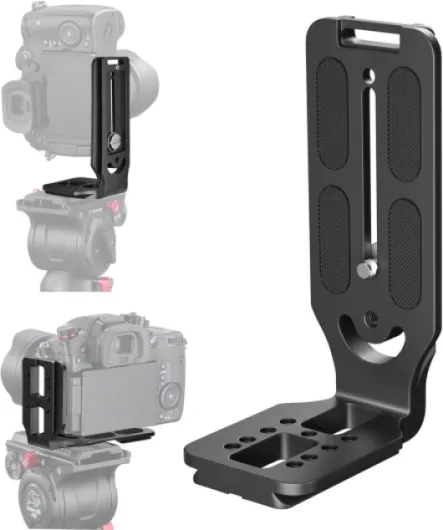
- L-Brackets: These brackets allow you to quickly switch your camera from landscape to portrait orientation. They are popular for their stability and compatibility with Arca Swiss mounts. Material aluminum is common, offering strength without extra weight.
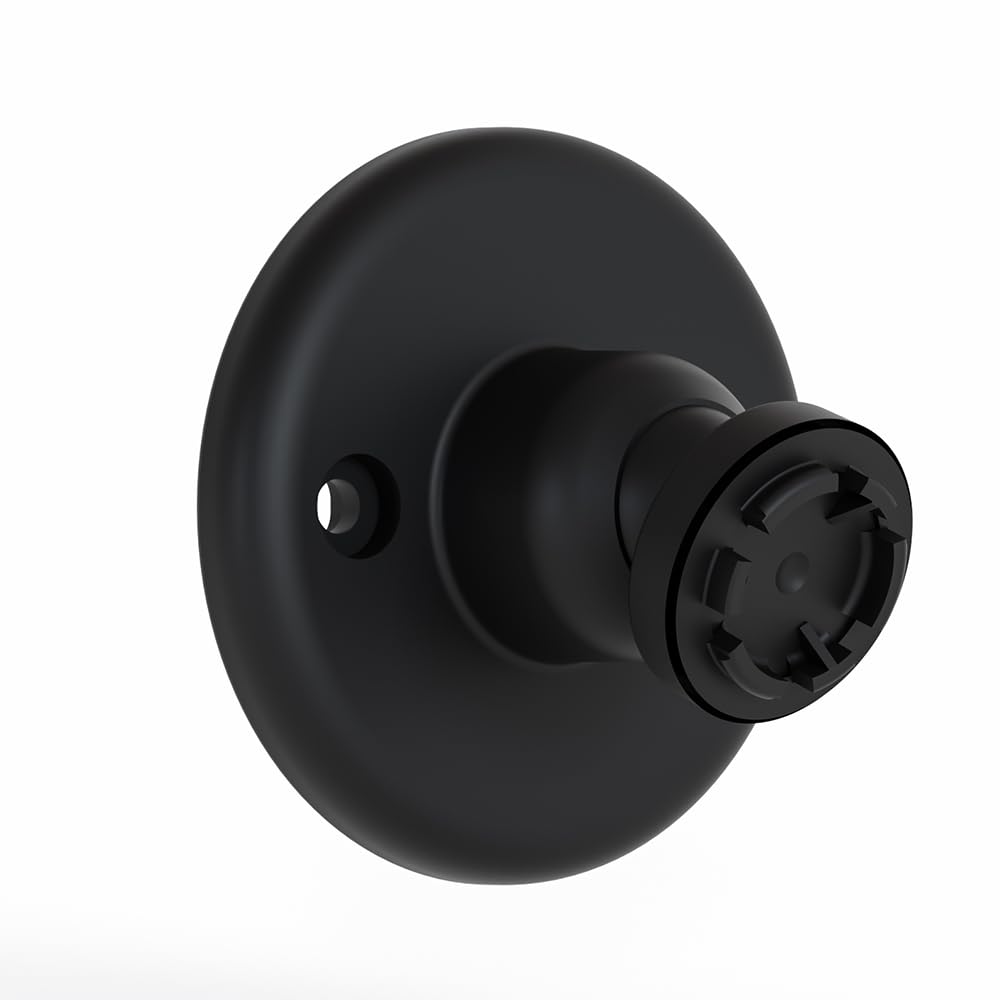
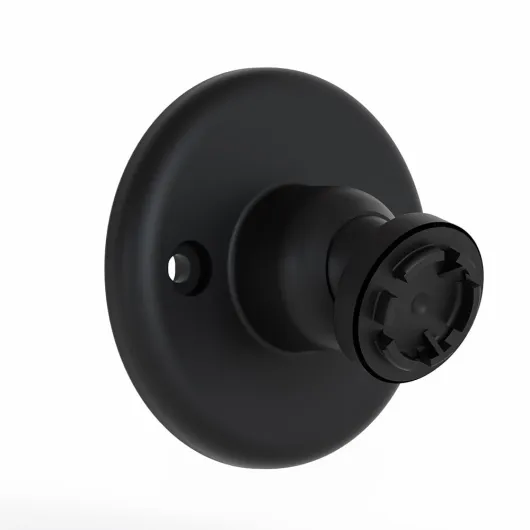
- Wall Mount Brackets: Ideal for security cameras or permanent studio setups. Wall mount brackets provide a secure way to attach cameras to walls or ceilings, often in color white to blend with interiors. Some options include free shipping or free delivery, depending on the retailer.
- Quick Release Brackets: Designed for photographers who need to move fast. Quick release systems let you attach or remove your camera from the mount in seconds, which is especially useful for event or wildlife photography.
- Flash Brackets: These are made to hold external flashes away from the camera body, reducing red-eye and harsh shadows. Flash brackets are essential accessories for portrait and event photographers.
- Pole Mount Brackets: Useful for mounting security cameras or action cameras on poles or railings. These brackets add flexibility to your setup, allowing for unique angles and increased security.
- Monitor Mount Brackets: If you need to connect your camera to an external monitor, a monitor mount bracket can help keep your setup organized and secure. For more on connecting your camera to a monitor, check out this guide on using HDMI for camera-to-monitor connections.
When comparing brackets, consider the regular price, shipping options, and whether the bracket is compatible with your camera mounts. Some brackets are bundled with accessories or offer free shipping, which can add value to your cart. Always check the number of mounts included and the security features, especially for wall or pole mount brackets used with security cameras.
Key benefits of using a camera bracket
Why a Camera Bracket Makes a Difference
Adding a camera bracket to your photography setup can transform the way you work with your camera, whether you use Canon, Nikon, Sony, or other brands. Brackets are more than just accessories—they provide practical advantages that enhance both security and flexibility. Here are some of the key benefits:
- Stability and Security: A quality camera bracket, especially those made from material aluminum, offers a solid mount for your camera. This is crucial for security cameras and regular cameras alike, reducing the risk of accidental drops or shakes. Wall mount brackets and pole mount options add extra security for fixed installations.
- Versatile Mounting Options: Brackets come in various types, including quick release, arca swiss, flash bracket, and monitor mount. This variety allows you to adapt your setup for different shooting scenarios, whether you need a quick mount bracket for fast changes or a wall mount for permanent setups.
- Improved Workflow: Quick release mounts and camera mounts brackets let you switch between tripods, monopods, and handheld shooting with ease. This saves time and keeps your workflow efficient, especially when you need to add or remove accessories on the go.
- Accessory Integration: Many brackets are designed to add extra mounts for lights, microphones, or monitors. This is especially helpful for videographers and those using security cameras who need to attach multiple devices securely.
- Enhanced Durability: Brackets made from high-quality aluminum or similar materials are built to last, even with regular use. Color white options are available for those who want their setup to blend in with certain environments, such as white walls or ceilings.
- Cost-Effectiveness: While the price of a camera bracket can vary, many options offer free shipping or free delivery, making it easier to add to your cart without worrying about extra costs. Some retailers even offer a regular price discount on mounts and accessories.
For photographers and videographers using battery-powered setups, the choice of mounting system can impact power management. Learn more about why gold mount batteries matter for digital camera users and how the right bracket can support your workflow.
Whether you’re mounting security cameras, adding a flash bracket, or looking for a quick release system, the right camera bracket can make your setup more secure, flexible, and efficient.
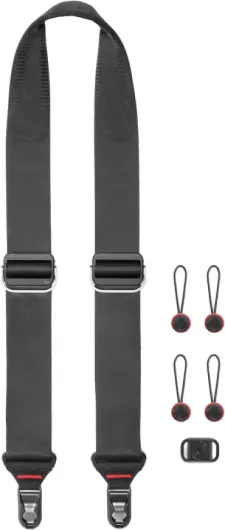
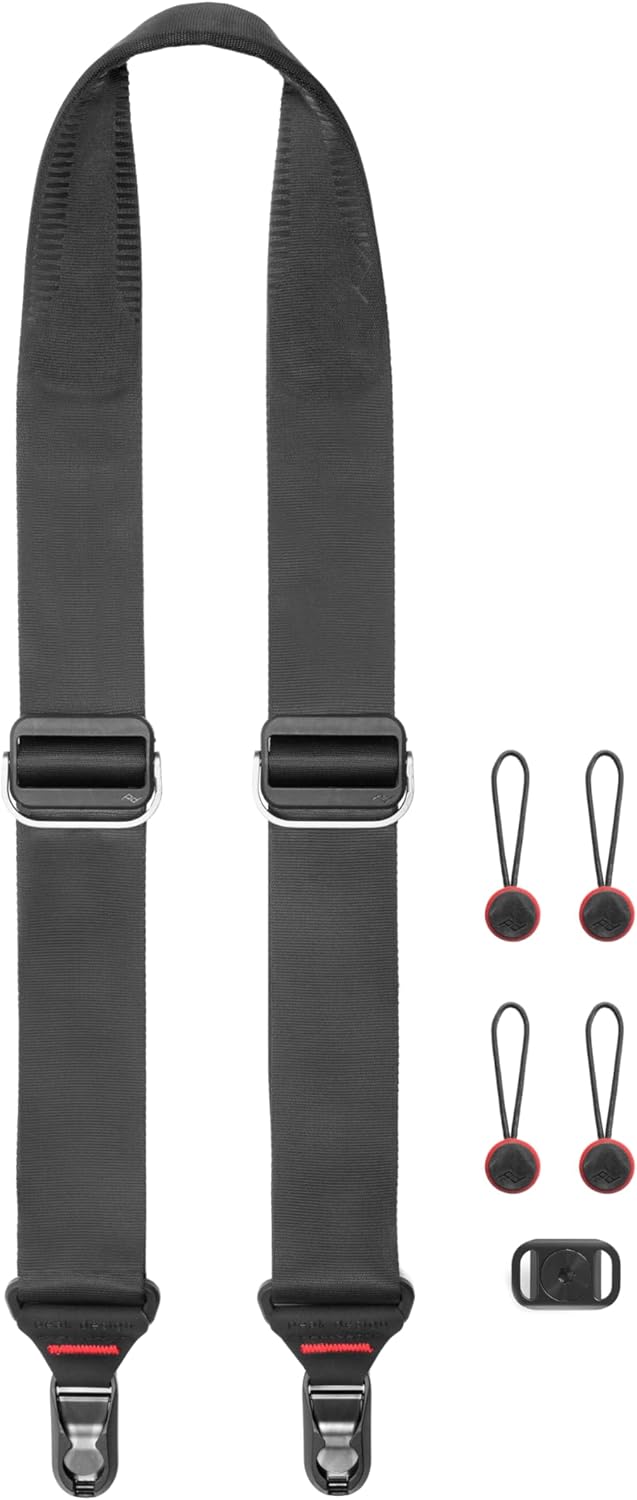
- + Stylish design
- + Comfortable to wear
- + Durable material
- + Adjustable length
How to choose the right camera bracket for your setup
Factors to Consider When Selecting a Camera Bracket
Choosing the right camera bracket for your setup can make a big difference in your photography workflow. With so many mounts, brackets, and accessories available, it’s important to match your needs with the right features. Here’s what to look for:
- Compatibility with Your Camera: Make sure the bracket fits your camera model. Popular brands like Canon, Nikon, and Sony often have dedicated mounts and brackets, but universal options exist too. Double-check if your camera is compatible with arca swiss or quick release systems for easier mounting.
- Type of Mount: Decide if you need a wall mount, pole mount, or a bracket for on-the-go shooting. Wall mounts are ideal for security cameras or studio setups, while quick release and flash brackets are better for event or outdoor photography.
- Material and Build Quality: Look for brackets made from durable materials like aluminum. Material aluminum brackets offer a good balance of strength and weight, which is crucial for both regular cameras and security camera setups.
- Functionality and Add-ons: Some brackets add extra features, such as monitor mounts or the ability to attach multiple accessories. Consider if you need to mount a flash, monitor, or other gear. Bracket add-ons can expand your creative options.
- Color and Aesthetics: While not always a priority, some photographers prefer a color white bracket to blend with studio walls or match their camera’s look. This is especially common with security camera mounts.
- Price and Shipping: Compare the regular price of different brackets and check if free shipping or free delivery is available. Adding a bracket to your cart can sometimes unlock deals on mounts brackets or camera mounts accessories.
- Security and Stability: For security cameras or heavy camera setups, prioritize brackets that offer secure mounting and minimal vibration. A stable camera mount is essential for sharp images and reliable surveillance.
Matching Bracket Features to Your Photography Needs
The number of brackets and mounts you need depends on your shooting style. For example, a quick release mount bracket is perfect for photographers who switch cameras or lenses often, while a wall mount is more suited for fixed installations. If you use multiple cameras, look for brackets that support several mounts or accessories at once.
Don’t forget to consider the shipping options and whether the bracket camera comes with free shipping or free delivery. This can affect the total price, especially if you’re ordering multiple camera mounts or accessories.
Tips for installing and using a camera bracket effectively
Getting the Most from Your Camera Bracket
Using a camera bracket can make a real difference in your photography, but only if you install and use it correctly. Here are some practical tips to help you get started, whether you’re working with a Canon, Nikon, Sony, or other popular cameras.- Check compatibility: Before mounting, confirm your bracket matches your camera model and the type of mount you need. For example, Arca Swiss quick release plates are popular, but not all cameras or mounts brackets support them.
- Secure installation: Always double-check that your camera bracket is tightly fastened. Loose screws can lead to accidents, especially with heavier cameras or when using a wall mount for security cameras.
- Use the right tools: Many brackets, especially those made from material aluminum, require specific Allen keys or screwdrivers. Keep these accessories handy in your camera bag or cart for quick adjustments.
- Balance your setup: When adding accessories like a flash bracket or monitor mount, make sure the weight is evenly distributed. This helps prevent your camera from tipping over, especially if you’re using a pole mount or wall mount bracket.
- Test before shooting: After installing your camera bracket, gently shake the setup to ensure everything is secure. This is especially important for security camera installations or when using quick release systems.
- Keep it clean: Dust and debris can affect the performance of your camera mounts. Wipe down your bracket camera and mounts regularly, especially if you’re shooting outdoors or using a color white bracket that shows dirt easily.
- Store safely: When not in use, keep your brackets and mounts in a padded case to avoid scratches or damage. Some retailers offer free shipping or free delivery on accessories, so consider adding a protective case to your next order.
| Bracket Type | Best For | Key Tip |
|---|---|---|
| Quick Release | Frequent camera changes | Check for secure locking before use |
| Wall Mount | Security cameras, studio setups | Use anchors for added security |
| Flash Bracket | Event photography | Balance with camera weight |
| Monitor Mount | Video shoots | Secure cables to avoid strain |
Common mistakes to avoid with camera brackets
Overtightening and Stripping Screws
Many users make the mistake of overtightening screws when installing a camera bracket or mount. This can strip the threads, especially with material aluminum brackets, and reduce the security of your camera. Always tighten screws just enough to hold the bracket firmly, but avoid using excessive force.Ignoring Compatibility with Cameras and Accessories
Not all brackets fit every camera. For example, a bracket designed for a Canon may not fit a Nikon or Sony model. Always check compatibility with your camera and any accessories, such as flash brackets or monitor mounts, before adding to your cart. Consider the number of mounting points and whether your camera uses an arca swiss quick release system.Choosing the Wrong Mount for the Environment
Selecting a wall mount or pole mount without considering the installation environment can lead to poor stability. For security cameras, ensure the wall or pole can support the weight and that the bracket is rated for outdoor use if needed. Color white brackets may blend better in certain settings, but always prioritize strength and weather resistance over aesthetics.Neglecting Load Capacity and Balance
Every bracket and mount has a maximum load capacity. Mounting a heavy camera or adding multiple accessories can exceed this limit, risking damage or falls. Check the regular price and product specifications for load ratings, especially when using mounts brackets for larger cameras or security camera setups.Skipping Proper Installation Steps
Rushing installation can lead to loose mounts or misaligned brackets. Follow the manufacturer’s instructions, use the correct tools, and double-check all connections. If your bracket camera setup includes a quick release or arca swiss plate, make sure it locks securely before use.Forgetting About Shipping and Delivery Details
When purchasing online, pay attention to shipping options. Some sellers offer free shipping or free delivery, which can affect the total price. Also, verify that the bracket add or camera mounts you select are in stock and suitable for your region.- Always confirm compatibility with your camera model (Canon, Nikon, Sony, etc.)
- Check load capacity before mounting heavy cameras or multiple accessories
- Prioritize security and stability over price or color
- Don’t rush installation—secure all mounts and brackets properly
By avoiding these common mistakes, you can ensure your camera bracket or mount provides reliable support and security for your cameras and accessories.