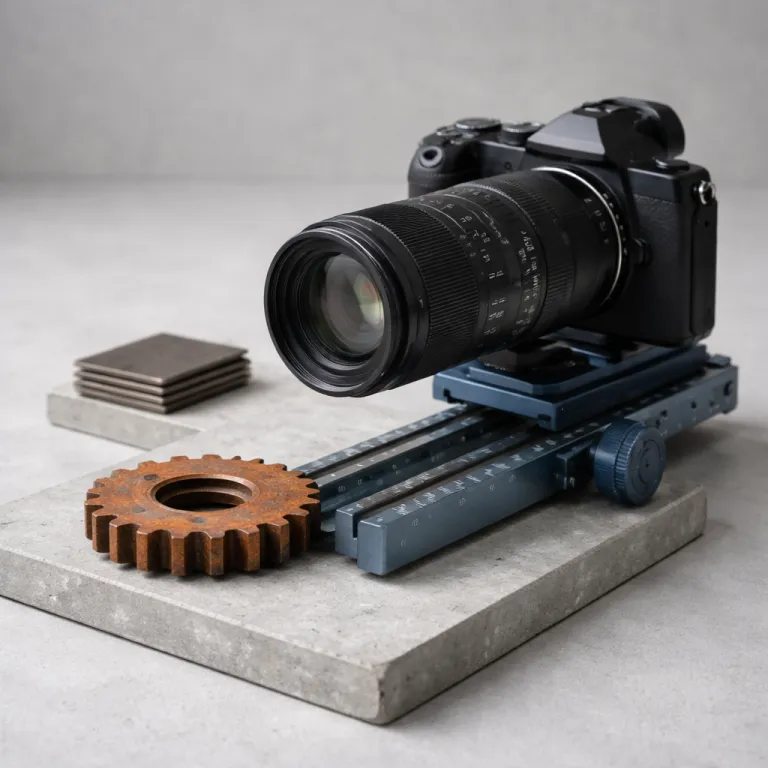

Why focus stacking matters for demanding digital photography
Focus stacking transforms how a photographer handles focus and depth field in challenging scenes. When a subject stretches from foreground background to distant details, a single image rarely keeps everything in sharp focus, so a carefully planned focus stack allows you to merge several images into one stacked image with consistent clarity. This technique is especially valuable in macro photography, where even a slight change in focal length or manual focus position dramatically shifts image focus and can ruin an otherwise perfect photo.
Modern camera bodies from brands such as Canon make focus bracketing easier, yet the photographer still decides how many images to capture for each stack. You frame the scene focus carefully, then adjust the lens in small steps so that each image records a different slice of depth field, which later becomes part of a focus stacked composite. The result is a stacked image where the subject appears sharp from front to back, while the background can remain softly blurred to preserve a natural sense of depth.
In practice, focus stacking demands patience, because every photo in the series images must align and share the same exposure, shutter speed, and framing. Any movement in the subject or background complicates the stack images, so many photographers rely on a tripod and sometimes a focusing rail for precise control. With this disciplined approach, focus stacking becomes a powerful tool for digital photography, allowing you to extend depth field beyond the physical limits of the lens and create images that feel both realistic and technically refined.
Planning the scene focus and capturing the stack in camera
Successful focus stacking begins long before any software work, with careful planning of scene focus in the field. You start by deciding which subject elements must appear in sharp focus, then determine how the foreground background relationship should look in the final stacked image. This planning stage guides your choice of focal length, aperture, and shutter speed, ensuring that each image in the focus stack contributes meaningfully to the final photo.
Many Canon users rely on built in focus bracketing, which automatically shifts focus between frames to create a series images ready for stacking. When your camera lacks this feature, you can still create a focus stack by using manual focus and turning the lens ring in tiny increments, or by sliding the camera along a focusing rail for even more precise control. In both cases, the goal is to capture enough images so that every plane of the subject falls within sharp focus in at least one image.
Macro photography often benefits from a dedicated Canon macro lens, which offers close focusing distances but very shallow depth field. To manage this, you might shoot dozens of images for a single stacked photo, especially when the subject includes complex textures and overlapping details. For stable power in such extended sessions, many professionals integrate an external battery system, and learning how to use an OB302 to D-Tap adapter cable can help keep the camera running reliably while you refine every aspect of image focus.
Essential equipment for precise focus stacked images
While focus stacking can start with a basic camera and kit lens, specialized equipment greatly improves consistency and image quality. A sturdy tripod is essential, because any movement between frames makes it harder for software to align the series images into a clean stacked image. Many macro photography specialists also rely on a focusing rail, which allows them to shift the camera minutely instead of relying solely on manual focus adjustments on the lens.
Choosing the right lens matters, because focal length and optical design influence both depth field and the character of the background. A Canon macro lens, for example, offers high magnification and flat field sharpness, which helps keep the subject crisp across the frame in each image of the focus stack. When combined with careful control of shutter speed and aperture, this setup allows you to balance sharp focus on the subject with a pleasingly soft background that supports, rather than distracts from, the main scene focus.
Power management and reliability also play a role in extended focus stacking sessions, especially when shooting high resolution images or long series images. Many advanced users rely on robust external power solutions, and understanding why Gold Mount batteries matter for digital camera users helps ensure uninterrupted shooting. With the right combination of camera, lens, focusing rail, and power accessories, you can capture stack images that are perfectly aligned, evenly exposed, and ready for precise post processing into a single, beautifully sharp photo.
From raw captures to sharp focus: mastering post processing
Once you have captured a complete focus stack, the creative work shifts to post processing, where software merges the individual images into one focus stacked file. Programs such as Helicon Focus are designed specifically for this task, aligning each image and selecting only the sharp focus areas to build a final stacked image. The process can feel technical at first, yet it gives you remarkable control over depth field and image focus across the entire scene.
During post processing, you typically import the series images, check that each photo covers a different slice of the subject, and then choose a stacking method that suits the scene focus. Some algorithms prioritize micro contrast to emphasize fine details, while others blend more gently to avoid halos along edges in the foreground background transition. After the initial merge, you can retouch the focus stacked result, correcting any artifacts and refining the balance between sharp subject areas and softer background regions.
Helicon Focus and similar software tools allow you to output high resolution images that retain the best sharp focus from every frame in the stack. This workflow is especially powerful in macro photography, where a Canon macro lens and careful manual focus adjustments can produce dozens of images for a single photo. By combining thoughtful capture techniques with disciplined post processing, focus stacking becomes a reliable method for extending depth field and achieving professional quality results in demanding digital photography.
Balancing depth field, focal length, and background aesthetics
One of the subtle arts in focus stacking is deciding how much depth field you truly need, rather than simply making every part of the image equally sharp. In many scenes, the subject benefits from sharp focus across its entire form, while the background remains gently blurred to preserve a sense of distance and atmosphere. This balance depends on focal length, aperture, and the physical distance between subject, foreground background elements, and the camera.
When using a Canon macro lens for close up photography, even a small change in focal length or focusing distance can dramatically alter depth field. You might choose to keep only the main subject in sharp focus while allowing more distant background textures to soften, which helps the viewer’s eye stay on the key details in the stacked image. In other situations, such as product photography or technical documentation, you may want the entire scene focus to appear crisp, requiring a larger focus stack with more images.
Careful planning of the focus stack lets you control how the viewer experiences the final photo, rather than leaving depth field to chance. By adjusting manual focus or using focus bracketing, you can decide exactly which planes of the subject will be represented in the final focus stacked composite. For photographers seeking to refine their lens choices for different stacking scenarios, resources such as this guide to top digital camera lenses provide valuable insight into how different optics render image focus and background character.
Practical tips for consistent focus stacking in the field
Consistency is crucial when building a focus stack, because even small variations between images can complicate the final merge. Always lock your camera on a tripod, disable image stabilization when appropriate, and keep shutter speed, aperture, and ISO constant across the entire series images. This disciplined approach ensures that each photo in the stack images aligns cleanly, allowing the software to concentrate on blending sharp focus areas rather than correcting exposure shifts.
When working with macro photography, consider using a focusing rail to move the camera instead of relying solely on manual focus adjustments on the lens. This method keeps magnification more consistent between images, which helps Helicon Focus or similar software produce a cleaner stacked image with fewer artifacts. For cameras that support focus bracketing, you can automate the capture of a focus stack, but it remains important to review each image to confirm that the subject is fully covered from front to back.
Pay attention to environmental factors that might affect scene focus, such as wind moving delicate subjects or changing light altering the background. In such conditions, you may need to shorten the series images or adjust shutter speed to freeze motion while still maintaining enough depth field through stacking. With practice, you will learn how many images are necessary for different subjects and how to manage image focus so that every final photo reflects both technical precision and artistic intent.
Key statistics about focus stacking in digital photography
- Up to 90 % of macro photography subjects benefit from some form of focus stacking to achieve sufficient depth field across critical details.
- Dedicated stacking software such as Helicon Focus can reduce manual retouching time by approximately 40 % compared with basic editing tools.
- Using a focusing rail typically improves alignment accuracy between stack images by 20 to 30 %, especially at high magnifications.
- Photographers who adopt focus bracketing in camera report a significant increase in keeper rate for complex scenes with challenging foreground background separation.
Frequently asked questions about focus stacking
How many images do I need for an effective focus stack ?
The number of images depends on subject depth, magnification, and aperture, but many macro photography scenes require between 10 and 50 frames. Wider scenes with moderate depth field may need only a handful of images to achieve sharp focus across the subject. It is safer to capture slightly more photos than necessary, ensuring complete coverage for the final stacked image.
Can I use focus stacking without specialized macro equipment ?
Yes, you can create a focus stack with a standard camera and lens, provided you can adjust manual focus precisely and keep the camera stable. A tripod and careful control of shutter speed and aperture are more important than owning a dedicated Canon macro lens. However, specialized macro photography tools, including a focusing rail, make it easier to capture consistent series images for stacking.
What is the difference between focus bracketing and focus stacking ?
Focus bracketing refers to capturing multiple images at different focus distances, usually automated by the camera. Focus stacking is the post processing step where software combines those images into a single focus stacked photo with extended depth field. In practice, many photographers use focus bracketing in camera and then rely on Helicon Focus or similar tools to create the final stacked image.
Does focus stacking work for moving subjects in outdoor photography ?
Focus stacking is most reliable with static subjects, because movement between images can cause alignment problems and blending artifacts. For slightly moving subjects, you can shorten the series images, increase shutter speed, and rely on advanced software options to minimize ghosting. Strong wind or rapid motion, however, often makes a clean focus stack difficult, so single frame techniques may be preferable.
Which software is best for beginners starting with focus stacking ?
Many photographers begin with dedicated tools such as Helicon Focus, which offer intuitive interfaces and powerful alignment algorithms. Some general editing programs also include basic stacking features, but they may require more manual work to achieve a clean stacked image. Whichever software you choose, practicing with simple subjects and controlled lighting will help you understand how focus, depth field, and image focus interact in the final photo.