

Understanding the appeal of the fuji xpro 1
What Sets the X-Pro1 Apart in a Crowded Market
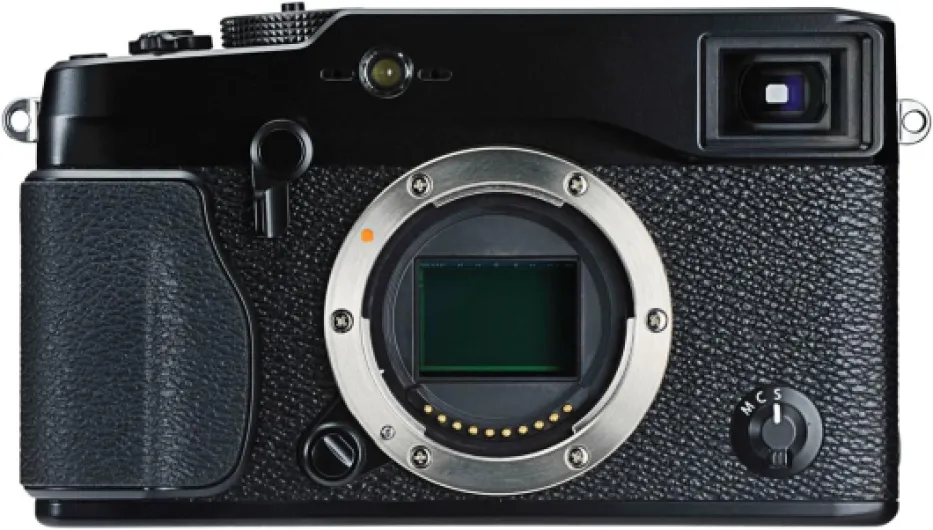
The digital camera world is full of options, but the Fuji X-Pro1 has carved out a unique place among photography enthusiasts. This camera stands out for its blend of classic design and modern technology, making it a favorite for those who appreciate both style and substance. The X-Pro1 is often praised for its robust build quality and the tactile experience it offers, reminiscent of traditional film cameras. Its magnesium alloy body feels solid in hand, giving users confidence whether shooting on the street or in the studio.
One of the main draws is the hybrid viewfinder, which combines the best of optical and electronic systems. This feature allows photographers to switch between a traditional optical view and a digital overlay, offering flexibility for different shooting scenarios. The hybrid viewfinder is not just a gimmick—it’s a practical tool that enhances the shooting experience, especially for those who value composition and focus accuracy.
Image quality is another area where the X-Pro1 shines. Thanks to its unique X-Trans CMOS sensor, the camera delivers sharp, detailed images with impressive color reproduction. The sensor’s design helps reduce moiré and false colors, even when shooting in challenging lighting conditions. Whether you’re capturing RAW or JPEG files, the results are consistently fine, with excellent dynamic range and low noise at high ISO settings. The camera’s film simulations, including Pro Neg and other classic Fujifilm profiles, give photographers creative control over their final images, echoing the look of beloved film stocks.
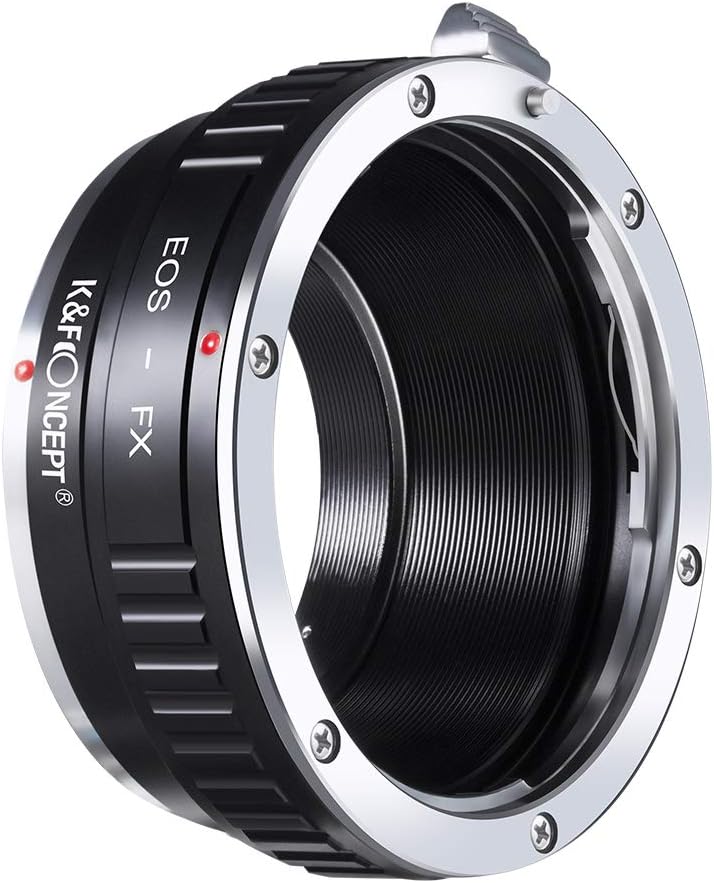
Lens compatibility is also a strong point. The X-Pro1 supports a wide range of Fujifilm lenses, from fast primes to versatile zooms, allowing users to tailor their system to their shooting style. The flexibility to use pro lenses or experiment with different focal lengths makes this camera a solid choice for both beginners and seasoned pros. The system’s adaptability is further enhanced by the ability to use manual focus and third-party lenses via adapters, opening up creative possibilities.
Beyond the technical specs, the X-Pro1 offers a user experience that many photographers find rewarding. The camera’s controls are intuitive, with dedicated dials for shutter speed and exposure compensation, making it easy to adjust settings on the fly. Its performance in real-world scenarios, from low light to fast action, is reliable and consistent. The camera’s ISO performance, especially at higher settings, is competitive with more recent models, ensuring quality images even in challenging conditions.
Finally, the X-Pro1 benefits from a strong community of users and ongoing support, which adds to its long-term value. Enthusiasts share tips, reviews, and sample images, helping newcomers get the most out of their cameras. For those curious about what makes a camera like the X-Pro1 a lasting favorite, exploring the unique features of Fujifilm’s lens systems can offer additional insight into why this system continues to inspire photographers worldwide.

Hybrid viewfinder: blending tradition and innovation
How the Hybrid Viewfinder Sets the X-Pro1 Apart
One of the most distinctive features of the Fuji X-Pro1 is its hybrid viewfinder. This innovative system blends the classic feel of an optical viewfinder with the versatility of a digital display, offering photographers a unique shooting experience that bridges tradition and modern technology.
The optical viewfinder provides a clear, real-time view of the scene, reminiscent of classic film cameras. This appeals to those who appreciate the tactile connection and immediate feedback of traditional photography. At the same time, the electronic viewfinder overlays essential shooting information, such as ISO, shutter speed, focal length, and exposure settings, directly onto the display. This dual approach allows users to switch seamlessly between optical and electronic modes, adapting to different shooting scenarios and personal preferences.
- Optical mode: Ideal for street and documentary photographers who value a natural, lag-free view and want to see beyond the frame lines, making it easier to anticipate action.
- Electronic mode: Perfect for those who need precise framing, focus peaking, and exposure previews, especially in challenging lighting or when using manual focus lenses.
The hybrid viewfinder is especially useful when working with a variety of Fuji lenses, including pro lens options and legacy glass. It supports different focal lengths and adapts to the system's flexibility, making the X-Pro1 a versatile tool for enthusiasts who enjoy experimenting with their camera setup. The integration of film simulations, such as Pro Neg and other Fujifilm Pro profiles, is further enhanced by the electronic viewfinder, allowing users to preview the impact of these settings in real time.
For those interested in maximizing their Fuji X-Pro1 experience, exploring advanced color grading and film simulation techniques can be rewarding. Resources like enhancing your Fuji experience with conversion LUTs offer valuable insights that are also relevant to X-Pro1 users, especially when working with RAW and JPEG files.
Ultimately, the hybrid viewfinder is a testament to Fujifilm's commitment to blending the best of analog and digital camera design. It elevates the user experience, making the X-Pro1 a favorite among those who value both image quality and the joy of shooting.
Image quality and sensor performance
Delivering Distinctive Images with the Trans CMOS Sensor
The heart of the Fuji X-Pro1 is its unique 16.3MP X-Trans CMOS sensor, a major factor in why this digital camera still stands out. Unlike traditional Bayer sensors, the X-Trans CMOS uses a randomized pixel array. This design helps reduce moiré and false colors, allowing the camera to skip the optical low-pass filter. As a result, users get sharper images and finer detail, especially when paired with a quality pro lens.
Photographers often praise the X-Pro1 for its impressive image quality. The sensor delivers rich colors and smooth tonal transitions, making it a favorite for those who appreciate the look of classic film. Fujifilm’s film simulations, like Pro Neg and Velvia, add to the creative options, letting users achieve distinctive looks straight out of camera in both JPEG and RAW formats. The JPEG engine is particularly strong, producing files that require minimal post-processing.
Performance in Low Light and High ISO
One area where the X-Pro1 excels is low light performance. The camera’s ISO range, which extends up to ISO 6400 (expandable to ISO 25600), allows for clean images even in challenging conditions. Noise is well controlled at high ISO settings, and the dynamic range remains impressive. This makes the X-Pro1 a reliable choice for street, documentary, and event photographers who often shoot in available light.
- ISO Pro: Maintains detail and color accuracy at higher ISO settings
- Shutter speed: Flexible enough for both fast action and long exposures
- RAW and JPEG: Both formats offer excellent latitude for editing or direct use
Lens Compatibility and System Flexibility
The X-Pro1’s sensor works seamlessly with Fujifilm’s XF and XC lenses, as well as third-party options via adapters. The system’s flexibility means you can pair the camera with a wide range of focal lengths and pro lenses, from wide angle to telephoto. This adaptability is a significant advantage for photographers who want to experiment with different styles or need specific tools for their work.
For those interested in comparing sensor performance and image quality with other mirrorless cameras, this practical guide to the Sony NEX-5 and 5N offers useful insights into how different systems handle color, detail, and ISO performance.
Lens compatibility and system flexibility
Expanding Creative Possibilities with the X-Pro1 Lens System
One of the most compelling aspects of the Fuji X-Pro1 is its lens compatibility and system flexibility. The camera is built around the Fujifilm X-mount, which has grown into a robust ecosystem since the X-Pro1’s release. This means users have access to a wide range of high-quality Fujinon lenses, from compact primes to versatile zooms, all designed to maximize the performance of the X-Pro1’s trans CMOS sensor.
- Lens Variety: The X-mount system offers lenses with different focal lengths, apertures, and specialties. Whether you need a fast pro lens for low light, a classic 35mm for street photography, or a macro for fine detail, the system covers most creative needs.
- Adaptability: Thanks to third-party adapters, the X-Pro1 can also use vintage lenses from other brands. This opens up creative options for those who appreciate the unique rendering of old film lenses or want to experiment with manual focus and different focal lengths.
- Film Simulations and Lens Pairing: Fujifilm’s film simulations, like Pro Neg and Classic Chrome, pair beautifully with the character of various lenses. The combination of lens choice and in-camera film modes allows photographers to achieve distinct looks straight out of the camera, whether shooting JPEG or RAW.
Another advantage is the hybrid viewfinder, which supports both optical and electronic modes. This makes it easier to adapt to different lenses and shooting styles, enhancing the overall user experience. The build quality of both the camera and the lenses is consistently praised in reviews, with robust construction that stands up to real-world use.
For those who value flexibility, the X-Pro1’s system is future-proof. As Fujifilm continues to release new lenses and firmware updates, the camera remains relevant for both enthusiasts and professionals. The ability to shoot at high ISO, adjust shutter speed, and take advantage of the trans sensor’s image quality ensures that the X-Pro1 is more than just a digital camera—it’s a platform for creative growth.
User experience and handling in real-world scenarios
Everyday Shooting: Handling and Ergonomics
When it comes to using the Fuji X-Pro1 in real-world scenarios, the camera’s build quality and thoughtful design stand out. The magnesium alloy body feels solid and reassuring in hand, giving a sense of durability that’s often missing in some modern digital cameras. The dials for shutter speed and exposure compensation are tactile and easy to adjust, even when working quickly. This tactile feedback is especially appreciated by photographers who value direct control over their settings, such as ISO and shutter speed, without diving into menus.
Hybrid Viewfinder in Practice
The hybrid viewfinder is a unique feature that blends an optical viewfinder with an electronic overlay, allowing users to switch between a traditional rangefinder-style experience and a digital display. This flexibility is invaluable when composing shots in different lighting conditions or when precise focus is needed. The optical viewfinder offers a clear, real-time view, while the electronic mode provides exposure and focus previews, making it easier to adapt to various shooting environments.
Performance in Challenging Conditions
The X-Pro1’s trans CMOS sensor delivers impressive image quality, even in low light. High ISO performance is strong, with minimal noise up to ISO 3200, and usable results even beyond that. This makes the camera a reliable companion for street photography, events, or any scenario where lighting can be unpredictable. The film simulations, such as Pro Neg and Classic Chrome, allow users to achieve distinct looks straight out of the camera, whether shooting in JPEG or RAW. These simulations are particularly popular among photographers who appreciate the look of classic film stocks but want the convenience of a digital system.
Lens Handling and System Flexibility
Fujifilm’s X-mount system offers a wide range of lenses, from compact primes to pro zooms. The camera balances well with most Fujifilm lenses, and manual focus is aided by focus peaking and magnification features. Changing lenses in the field is straightforward, and the system’s compatibility with both modern and vintage glass (via adapters) adds to its versatility. Whether you prefer a 35mm focal length for street work or a longer lens for portraits, the X-Pro1 adapts easily.
Reliability and Workflow
In daily use, the Fuji X-Pro1 proves to be a dependable tool. The battery life is sufficient for a day’s shooting, and the camera’s straightforward menu system makes it easy to adjust settings on the fly. The JPEG engine is renowned for its color accuracy and detail, while RAW files offer plenty of latitude for post-processing. The camera’s discreet appearance and quiet shutter also make it ideal for candid photography, allowing users to capture genuine moments without drawing attention.
Community support and long-term value
Support from a Dedicated Community
One of the most remarkable aspects of the Fuji X-Pro1 is the strong community that has grown around this digital camera. Enthusiasts and professionals alike share tips, reviews, and experiences, making it easy for newcomers to find guidance on everything from lens selection to mastering the hybrid viewfinder. Online forums and social media groups are filled with discussions about the best pro lens options, optimal ISO settings for low light, and how to get the most out of the camera’s film simulations like Pro Neg.
Longevity and Value Retention
The X-Pro1’s build quality and robust system design have helped it maintain value over time. Many users report that the camera’s trans CMOS sensor and optical viewfinder still deliver impressive image quality, even compared to newer cameras. The flexibility to use a wide range of Fujifilm lenses, including legacy glass, means the system can adapt to changing needs and styles. This adaptability, combined with the camera’s reliability, makes it a smart investment for those who appreciate the unique blend of tradition and innovation.
Continuous Learning and Shared Resources
Thanks to the active Fuji and Fujifilm Pro communities, there’s a wealth of resources available for learning and troubleshooting. Whether you’re interested in fine-tuning your JPEG output, experimenting with RAW files, or exploring different shutter speed and focal length combinations, you’ll find detailed guides and real-world reviews. The collective knowledge around the X-Pro1 covers everything from maximizing sensor performance to achieving the classic film look with built-in simulations.
- Extensive lens compatibility discussions, including pro Fuji and third-party options
- Tips for mastering manual focus and hybrid viewfinder techniques
- Advice on achieving high ISO performance and optimal image quality
- Shared experiences with different film simulations and color profiles
All these factors contribute to the X-Pro1’s lasting appeal. The camera’s enduring support network ensures that both new and experienced users can continue to push their creativity, making the most of the system’s unique features and build quality for years to come.