

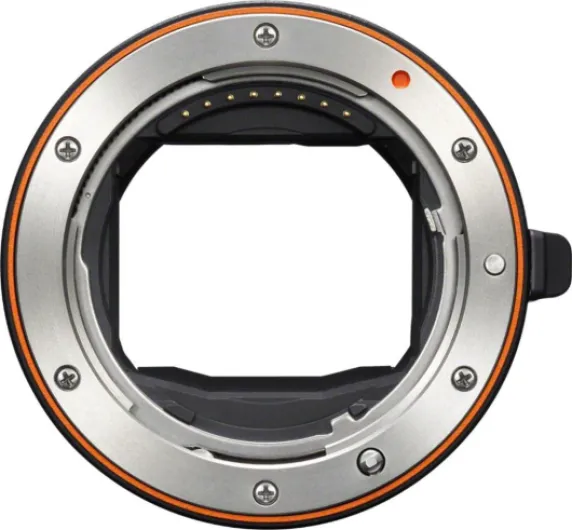
Understanding Sony A mount and E mount systems
How Sony A Mount and E Mount Systems Differ
Understanding the difference between Sony’s A mount and E mount systems is essential before considering any lens adapters. The A mount system, originally developed by Minolta and later adopted by Sony, was designed for traditional DSLR cameras. These cameras use a mirror mechanism, which affects the distance between the lens and the camera sensor, known as the flange distance. The A mount is sometimes called the Alpha mount, and it supports a wide range of Minolta and Sony Alpha lenses.
In contrast, the E mount system was introduced by Sony for its mirrorless camera lineup. Mirrorless cameras, like the popular Sony Alpha series, do not have a mirror box, allowing for a much shorter flange distance. This design makes E mount cameras lighter and more compact, which is a major advantage for photographers who want portability without sacrificing image quality. The E mount is now the standard for Sony’s mirrorless cameras, including both APS-C and full frame models.
Why the Mount Matters for Lens Compatibility
The mount type determines which lenses you can use directly on your camera body. If you own legacy A mount lenses or Minolta glass, you might want to use them on a modern Sony mirrorless camera. However, since the lens mount and flange distance are different, these lenses are not natively compatible with E mount bodies. This is where a mount adapter comes into play, bridging the gap between the two systems.
Choosing the right adapter mount is crucial for getting the best performance from your lenses. Some adapters offer autofocus and electronic communication between the lens and camera, while others are manual. The price and features of these adapters can vary, so it’s important to understand what works best for your needs and budget.
Evolution of Sony Mount Systems
Sony’s transition from A mount DSLRs to E mount mirrorless cameras reflects a broader industry shift towards lighter, more versatile camera bodies. While A mount cameras and lenses are still available for sale, the E mount system has become the focus for new product development. This means that most new lens sony releases and camera bodies are designed for the E mount, making it the more future-proof choice for most photographers.
For those interested in exploring the capabilities of Sony’s mirrorless system, especially in low light or video, you might want to read more about the features of the Sony A7S camera. This can give you a sense of what the E mount system offers and why many photographers are making the switch.

Why consider an A mount to E mount adapter
Expanding Your Lens Options with an Adapter
Switching to a Sony mirrorless camera body, especially from the Alpha series, often means leaving behind a collection of A mount lenses. Many photographers and videographers have invested in high-quality Minolta or Sony Alpha mount lenses over the years. An A mount to E mount adapter lets you use these lenses on newer Sony mirrorless cameras, protecting your investment and giving you more creative flexibility.
Cost-Effective Solution for Lens Compatibility
Buying new E mount lenses can be expensive, especially if you already own a set of compatible Sony A mount lenses. Using a mount adapter is a practical way to save money, as you can continue using your existing lenses without the need for a complete system overhaul. This is especially useful for those who want to try full frame mirrorless cameras without immediately purchasing a whole new set of lenses. The sale price of adapters is generally much lower than the price of a new lens, making this a budget-friendly option for many users.
Maintaining Performance and Versatility
Modern Sony mount adapters are designed to maintain as much lens functionality as possible, including autofocus and aperture control. While not every adapter or lens combination will work perfectly, many products on the market offer reliable performance. This means you can use your favorite mount lenses on a new camera body and still get good results for both photography and video work. For more details on how these adapters perform with the latest Sony cameras, check out this in-depth look at the Sony A7V features.
Adapting to New Technologies
The transition from DSLR to mirrorless systems has changed the way lens mounts work. Sony’s E mount system is designed for mirrorless cameras, which are lighter and more compact than older DSLR bodies. Using a mount adapter bridges the gap between these systems, allowing you to take advantage of the latest camera technology without giving up your favorite lenses. This flexibility is especially valuable for photographers who want to experiment with different lens adapters, including specialty mounts like Arri LPL or adapting vintage glass for unique looks.
Types of Sony A mount to E mount adapters available
Exploring the Main Adapter Options for Sony A Mount to E Mount
When you want to use a Sony A mount lens on a Sony E mount camera body, you need a dedicated mount adapter. The market offers several types of adapters, each with its own features, price points, and compatibility levels. Understanding these options helps you make a smart purchase and get the most out of your lens collection.
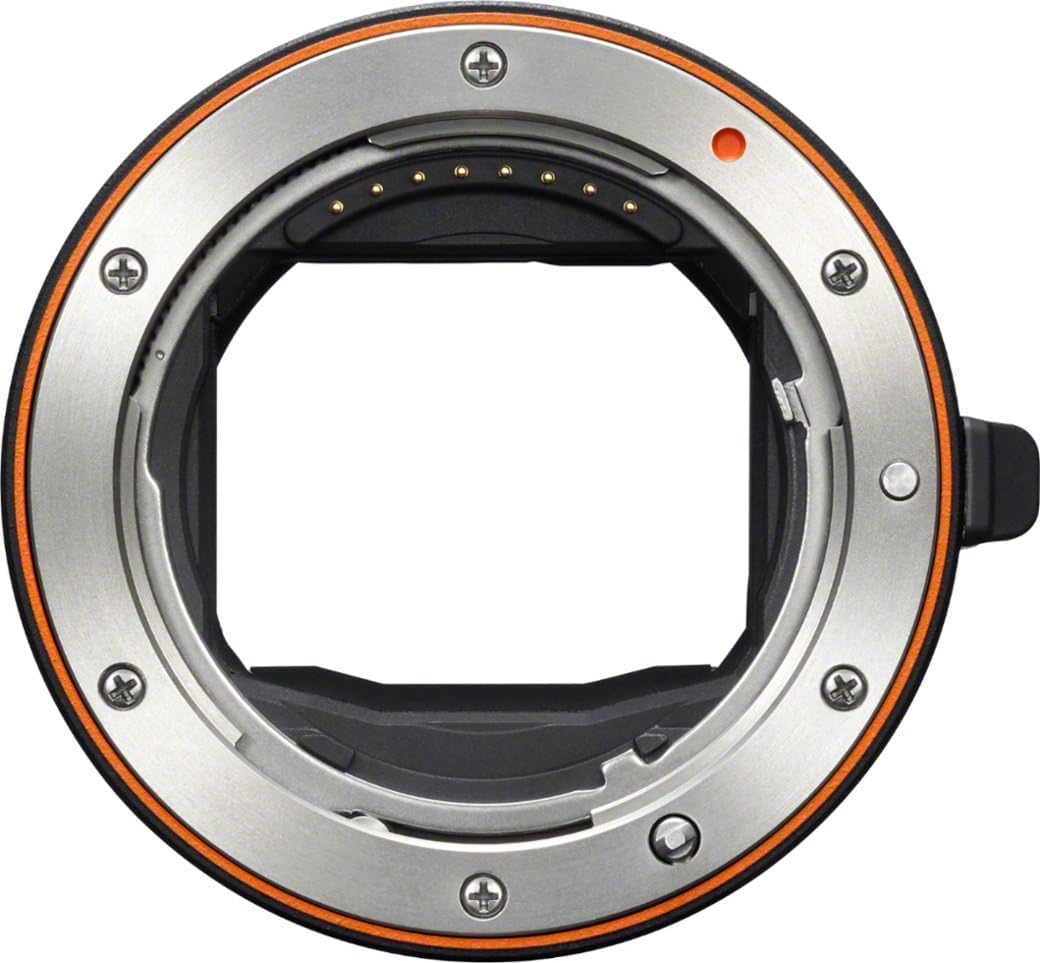
- Official Sony Adapters: Sony produces its own A mount to E mount adapters, such as the LA-EA series. These products are designed to maintain autofocus and electronic communication between the lens and the camera. They work well with both full frame and APS-C mirrorless cameras in the Sony Alpha system. The price for these adapters is higher, but you get reliable performance and compatibility with most Sony and Minolta A mount lenses.
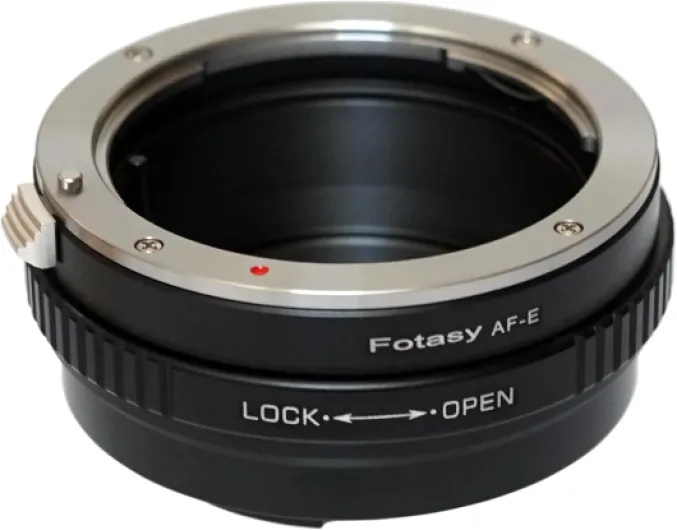
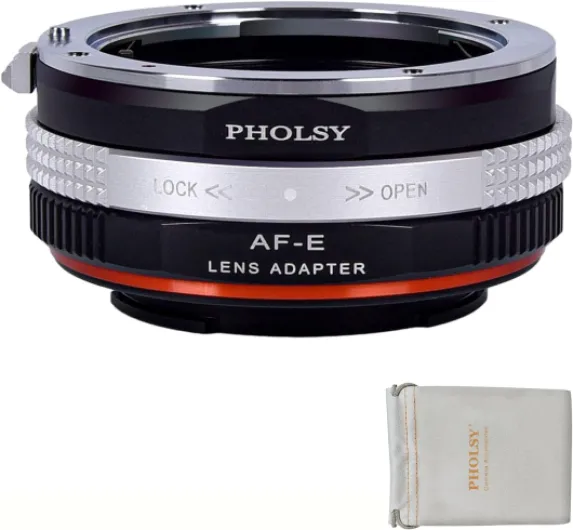
- Third-Party Adapters: Several brands offer alternative adapters for mounting A mount lenses on E mount bodies. These adapters are often more affordable and can be found for sale online or in camera shops. However, autofocus performance and electronic features may be limited, especially with older or third-party lenses. Always check if the adapter is compatible with your specific lens and camera body before purchase.
- Manual Adapters: Some adapters only provide a physical connection between the lens and the camera, with no electronic contacts. These are best for manual focus work or when using vintage Minolta A mount lenses. They are usually the lowest in price, but you lose autofocus and aperture control from the camera body.
When choosing a mount adapter, consider what features matter most to you—autofocus, light metering, or just the ability to mount lenses. The right adapter will let you use your favorite A mount lenses on a modern Sony mirrorless camera, expanding your creative options. For those interested in how classic cameras and lens mounts continue to influence today’s photography, check out this guide to why the Fujifilm X100S remains a favorite among photography enthusiasts.
| Adapter Type | Autofocus | Electronic Support | Price Range | Best For |
|---|---|---|---|---|
| Sony LA-EA Series | Yes (varies by model) | Full | High | Reliable performance, Sony/Minolta lenses |
| Third-Party Electronic | Partial/Varies | Partial | Medium | Budget-conscious, some electronic features |
| Manual Adapter | No | No | Low | Manual focus, vintage lenses |
Remember, the adapter you choose will affect how your lens works with your camera system. Always check product reviews and compatibility lists before making a purchase, especially if you want to use features like autofocus or light metering with your Sony Alpha mount mirrorless camera.
Compatibility and autofocus performance
Checking Compatibility Between Lens and Camera Body
When using a Sony A mount to E mount adapter, the first step is to confirm that your lens and camera body are compatible. Sony's A mount lenses, including many Minolta designs, were originally made for DSLR and SLT cameras. E mount bodies, especially the mirrorless Sony Alpha series, have a different lens mount system. Not all adapters work with every lens or camera, so always check the manufacturer's compatibility list before purchase. Some adapters are designed for full frame cameras, while others are optimized for APS-C bodies. Using the wrong adapter can limit functionality or even prevent the lens from mounting securely.
Autofocus Performance: What to Expect
Autofocus speed and accuracy are major concerns when adapting A mount lenses to E mount mirrorless cameras. Native E mount lenses generally offer faster and quieter autofocus because they are designed for the latest Sony mirrorless systems. With an adapter, autofocus performance depends on the specific adapter model, the lens, and the camera body. For example, Sony's own LA-EA series adapters provide different levels of autofocus support. Some models include a built-in translucent mirror and dedicated autofocus module, which can help maintain autofocus speed, especially with older lenses. However, third-party adapters may not support autofocus at all, or may only offer slow, hunting focus. Always check user reviews and product details before making a purchase.
Electronic Communication and Image Stabilization
Modern adapters often allow electronic communication between the lens and the camera, enabling features like aperture control, EXIF data transfer, and sometimes image stabilization. However, not all adapters support every feature. For example, some adapters pass through lens-based stabilization, while others rely on the camera body's in-body stabilization system. If you use a Sony Alpha mirrorless camera with in-body stabilization, you may still benefit from steady shots, but double-check the adapter's specifications to be sure.
Potential Limitations and Workarounds
- Autofocus in Video: Autofocus performance can drop significantly when shooting video, especially with older A mount lenses. Manual focus may be more reliable in these cases.
- Continuous Autofocus: Some adapters only support single autofocus (AF-S), not continuous autofocus (AF-C), which is important for tracking moving subjects.
- Lens Features: Features like focus hold buttons or distance scales on the lens may not work through the adapter.
Before you buy, consider the sale price and whether the adapter will deliver the performance you need for your style of photography. Reading recent reviews and checking compatibility charts can help you avoid surprises. If you need the best autofocus and full feature support, native E mount lenses are still the top choice, but adapters can be a cost-effective way to use your existing A mount lens collection on a new mirrorless camera body.
Tips for getting the best results with your adapter
Maximizing Performance with Your Sony Mount Adapter
Getting the best results from a Sony A mount to E mount adapter involves more than just attaching your lens to a mirrorless camera body. Here are some practical tips to help you make the most of your lens adapters and ensure your photography experience is smooth and rewarding.- Check Lens and Adapter Compatibility: Not all A mount lenses work the same way with every adapter. Before you purchase, verify that your lens and camera body are listed as compatible by the adapter manufacturer. This is especially important for older Minolta lenses or third-party products.
- Update Firmware Regularly: Both Sony camera bodies and some adapters receive firmware updates that improve autofocus performance and compatibility. Keeping your system up to date ensures the best possible integration between your mount, lens, and camera.
- Use Native Sony Alpha Lenses When Possible: While adapting A mount lenses to E mount cameras opens up more options, native E mount lenses usually offer faster autofocus and better communication with the camera system. Consider your needs and the price difference before making a purchase.
- Mind the Light: Some adapters, especially those without electronic contacts, may affect exposure metering or autofocus in low light. Test your setup in different lighting conditions to understand how your camera and lens combination performs.
- Manual Focus for Older Lenses: If you’re using vintage Minolta or early Sony mount lenses, autofocus may not work as expected. Be prepared to use manual focus, and take advantage of focus peaking features available on many Sony mirrorless cameras.
- Balance Your Camera Body: Some full frame A mount lenses are heavy and can make your mirrorless camera front-heavy. Consider using a tripod collar or grip to improve handling, especially for long shoots.
- Test Before Important Shoots: Always test your adapter and lens combination before critical work. This helps you catch any issues with autofocus, aperture control, or image quality that could impact your results.
Other Factors to Consider
- Sale Price vs. Performance: While adapters can be found at various price points, remember that higher-priced models often offer better build quality and more reliable autofocus. Read product reviews and check star ratings before making a purchase.
- Third-Party Lens Adapters: There are many adapters on sale from brands other than Sony. Some work well, but always research to ensure they are compatible with your specific lens mount and camera system.
- Specialty Mounts: If you’re considering adapting lenses from other systems, like Arri LPL or other mount cameras, make sure the adapter is designed for your Sony Alpha body and the lens mount you want to use.
Pros and cons of adapting A mount lenses to E mount cameras
Advantages of Using an A Mount to E Mount Adapter
- Lens Flexibility : Adapting allows you to use your existing Sony A mount or Minolta lenses on newer Sony E mount mirrorless cameras. This can be a cost-effective way to expand your lens options without purchasing new glass.
- Value for Money : If you already own a collection of A mount lenses, an adapter can save you from selling your old gear at a low sale price. Instead, you can continue to use these lenses with your latest camera body.
- Access to Unique Optics : Some classic Minolta and Sony Alpha mount lenses offer unique rendering or characteristics not found in modern E mount lenses. Using an adapter lets you enjoy these qualities on a full frame or APS-C mirrorless camera.
- Preserving Investment : For those who have invested in high-quality A mount lenses, adapting them to a new system extends their useful life and maintains the value of your purchase.
Drawbacks and Limitations to Consider
- Autofocus Performance : While some adapters work well, autofocus speed and accuracy can be slower compared to using native E mount lenses. This is especially noticeable in challenging light or with older lens models.
- Compatibility Issues : Not all A mount lenses are fully compatible with every Sony adapter or camera body. Features like continuous autofocus or advanced tracking may not work as expected, particularly with third-party adapters or older products.
- Added Bulk and Weight : Using a mount adapter adds extra length and weight to your camera setup. This can affect balance, especially on compact mirrorless bodies designed for light, portable use.
- Potential for Reduced Image Quality : In rare cases, certain adapters may introduce optical issues or reduce sharpness, especially if the adapter is not well made. Always check reviews and product ratings (stars) before purchase.
- Limited Features : Some adapters do not transmit all electronic signals, which can limit lens functions like image stabilization or aperture control. Make sure your chosen adapter supports the features you need for your work.
When an Adapter Makes Sense
If you have a collection of A mount lenses or want to experiment with classic Minolta glass, a Sony A mount to E mount adapter can be a smart investment. However, for those seeking the fastest autofocus or the lightest mirrorless camera setup, native E mount lenses may be a better fit. Always compare the sale price of adapters and consider your shooting needs before making a purchase. For specialized mounts like ARRI LPL, dedicated adapters are available, but compatibility with Sony systems varies. Researching the right adapter mount for your lens and camera body will help ensure the best results.