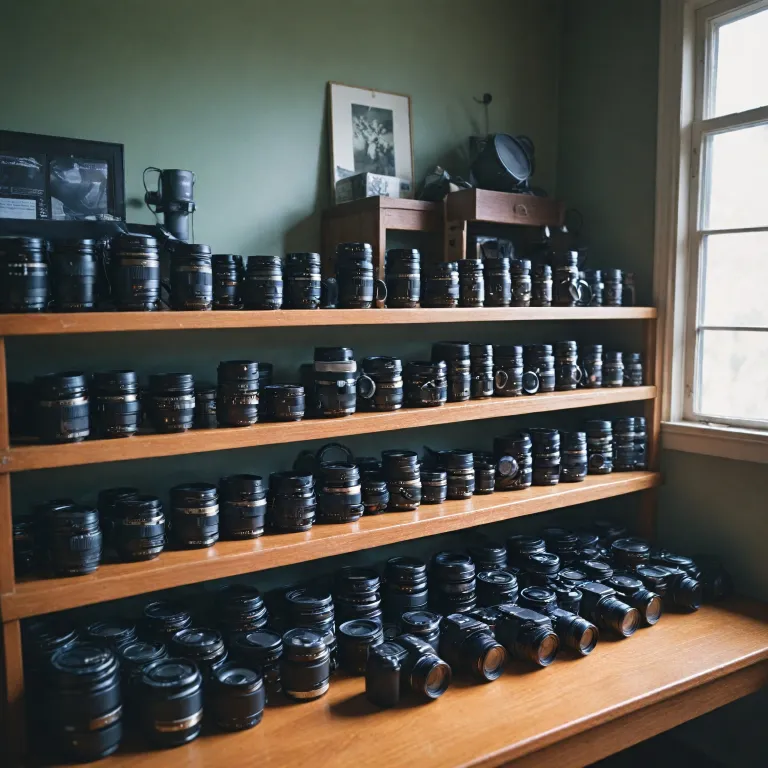

Understanding the Accessory Bar
Introduction to Accessory Bars
In the realm of digital photography, an accessory bar is a versatile tool designed to enhance your camera's functionality. These bars, often mounted on the camera or tripod, provide additional space to attach various accessories, such as lights, microphones, or monitors. Understanding the details of how an accessory bar works can significantly impact your photography experience.
Accessory bars are typically made from high-quality, durable materials to ensure they can withstand the rigors of frequent use. They come in various sizes and diameters, allowing photographers to choose the right fit for their specific needs. The mounting process is usually straightforward, with most bars featuring a universal mount that fits standard camera equipment.
When considering an accessory bar, it's essential to review the different types available on the market. Some bars are designed with specific features, such as adjustable lengths or additional bar ends, to accommodate a wider range of accessories. The unit price can vary based on these features, so it's wise to compare options to find one that suits your budget and requirements.
For those new to using accessory bars, it's helpful to explore reviews and guides on installation and setup. This can provide valuable insights into the best practices for mounting and using these bars effectively. Additionally, understanding the full range of compatible accessories can open up new possibilities for your photography projects.
For a deeper dive into related equipment, you might find it useful to explore the world of webcam tripod STL files, which can offer further customization options for your photography setup.
Benefits of Using an Accessory Bar
Why an Accessory Bar is Worth Your Consideration
The world of photography is constantly evolving, and having the right tools can dramatically enhance your experience. Utilizing an accessory bar can bring substantial benefits, providing both versatility and functionality to your photography gear.- Enhanced Stability: A high-quality accessory bar is designed to offer a secure mount for multiple devices, providing better stability when you're on the move.
- Increased Versatility: With the ability to attach various accessories like flashes, microphones, and lights, an accessory bar can turn a simple camera setup into a fully-powered photography rig. The bar allows for seamless integration and positioning of tools, tailoring your equipment to meet your creative needs.
- Durability and Design: Constructed to endure various outdoor conditions, high-quality bars are durable and cleverly designed to accommodate different mounting needs. The details in craftsmanship ensure longevity, making it a wise investment.
Types of Accessories Compatible with an Accessory Bar
Exploring Compatible Accessories
An accessory bar is a versatile tool designed to enhance your photographic toolkit with a wide array of compatible add-ons. It's important to consider the types of accessories available that can attach to accessory bars, maximizing your photography sessions.
Many cameras feature different mounting options that offer a selection full of possibilities. Most accessory bars support different diameter specifications, including standard sizes for handlebars and non-standard sizes for more specialized equipment. This flexibility in mounting ensures you can attach a full range of accessories without skipping content that could enhance your shoot.
Here are some common accessories you might consider:
- Flashes and LED Lights: To improve lighting conditions. Consider checking the role of lampholders in fluorescent lighting as part of your setup.
- Microphones: Designed for high-quality audio recording when capturing video content.
- External Monitors: These units allow photographers to view larger previews of images, aiding in getting the perfect frame.
- Loupes or Viewfinders: Enhances your ability to see the scene more clearly, especially in bright conditions.
- Portable Power Banks: Keeps your equipment powered during extended sessions.
Remember that not all accessories fit every type of bar. Some may require specific mounts or additional adapters to properly secure them to the bar ends. As such, checking detailed specifications and conducting a review of the unit price, price unit, and shipping orders is crucial to ensure compatibility with your current gear and needs.
To find the right accessory, consider your current photography requirements and look for high quality, durable options that promise a long lifespan. It might be beneficial to seek reviews and consult product experts before making your purchasing decision.
If you're interested in more detailed information about digital camera accessories, consider reaching out to retailers or manufacturers directly for contact or review specific details.
Choosing the Right Accessory Bar for Your Needs
Finding the Perfect Accessory Bar for Your Photography Projects
When it comes to choosing the right accessory bar for your digital camera, several factors should guide your decision to ensure you're investing in a product that enhances your photography experience. Here's a breakdown of what you need to consider:- Price and Quality: Start by assessing the unit price versus the quality you need. Look for accessory bars that are durable and made from high-quality materials. Opting for bars designed with superior construction can justify a higher price, offering reliability and longevity.
- Compatibility: Ensure the bar's diameter fits your camera properly. Not all accessory bars are created equal, and you'll want to check the mounting details thoroughly to avoid purchasing a bar that doesn't fit your camera's mounting requirements.
- Design and Features: Consider the additional features available in your selection. Some bars come with implemented bars ends or handlebar-type designs that give more flexibility and convenience for photographers who frequently switch between accessories.
- Reviews and Recommendations: Reading a full review can provide valuable insights. Other photographers' experiences often reveal critical information about the bar’s performance in real-world settings. High ratings and positive feedback generally indicate a trustworthy product.
- Brand Reputation: Opt for brands with a proven track record of quality. Brands that frequently receive positive feedback in user reviews tend to produce high-quality products that meet photographers' needs.
Installation and Setup Tips
Setting Up Your Accessory Bar Correctly
Proper installation of an accessory bar is crucial for maximizing your photography experience. Here are some key points to ensure you're well-prepared to set up this valuable addition to your camera gear:- Check Compatibility: Before mounting, confirm that the accessory bar is compatible with your camera’s make and model, checking details such as diameter and mounting specifications. A mismatched bar could cause instability or hinder functionality.
- Gather Required Tools: Most accessory bars are designed to be simple to install, but having the necessary tools handy—such as screwdrivers or a compatible mounting cap—can streamline the setup process.
- Positioning on the Camera: Choose the optimal position on your camera or handlebar for the accessory bar. Consider ease of access and balance, ensuring the bar doesn’t hinder your camera's other functions.
- Secure Fixing: Make sure the bar ends are securely fastened to prevent any movement or loosening during use. A high-quality and durable accessory bar will typically include reliable mounting fixtures.
- Test Stability: After installation, firmly test the accessory bar’s stability. Adding your chosen accessories will require a bar that can accommodate the full weight without compromising stability or performance.
- Consider Professional Review: If you’re uncertain about the installation, reading a review from experienced photographers who have used the accessory bar can offer additional insights and reinforce your methodology.
Maximizing Your Photography with an Accessory Bar
Optimizing Your Setup for Better Shots
Once you've got your accessory bar installed, it's time to make the most of it. The right setup can dramatically enhance your photography, allowing you to capture shots with greater precision and creativity. Here are some tips to help you maximize the potential of your accessory bar:
- Experiment with Different Accessories: Try mounting various accessories like lights, microphones, or even a second camera. Each accessory can offer unique benefits, so don't hesitate to experiment and see what works best for your style.
- Adjust for Balance: Ensure that your accessory bar is balanced. Uneven weight distribution can affect your camera's stability, leading to blurry images. Adjust the position of your accessories to maintain a stable setup.
- Utilize High-Quality Accessories: Invest in high-quality, durable accessories that are designed to withstand regular use. This ensures longevity and reliability, especially if you're frequently on the move.
- Regular Maintenance: Keep your accessory bar and mounted accessories clean and in good condition. Regular maintenance can prevent wear and tear, ensuring that your setup remains in top shape.
Fine-Tuning Your Photography Skills
With your accessory bar fully set up, it's time to focus on refining your photography skills. Here are some strategies to consider:
- Practice Makes Perfect: Spend time practicing with your new setup. Familiarize yourself with how different accessories affect your shots and learn to adjust settings quickly.
- Seek Feedback: Share your photos with peers or online communities to get constructive feedback. This can provide valuable insights into areas for improvement.
- Stay Updated: Keep an eye on new accessories and photography techniques. The world of photography is always evolving, and staying informed can give you a competitive edge.
By optimizing your setup and honing your skills, you can take full advantage of your accessory bar, elevating your photography to new heights.